Give Your Rooms a Second Life

Today we explore circular interior design for the home—practical repair, refinish, and reuse strategies that honor what you already own and keep materials in motion for longer. Expect hands-on guides, lived-in anecdotes, and resourceful creativity that reduces waste without sacrificing comfort, style, or safety. Share your questions, tell us what you are repairing this week, and invite a friend who loves a good before‑and‑after. Together, we’ll turn small, joyful fixes into lasting, sustainable transformations across every room.

Start with What You Have

Before buying anything new, map the assets already living in your rooms: the sturdy chair with loose joints, the scuffed tabletop, the forgotten lamp shade hiding in a closet. A simple inventory reveals opportunities, sets priorities, and frames constraints that inspire. Capture measurements, materials, and conditions, then note memories attached to each piece. Those stories guide decisions and make savings feel meaningful. Share a photo tour in the comments, and compare notes with neighbors tackling similar spaces this month.

Repair as a Creative Ritual

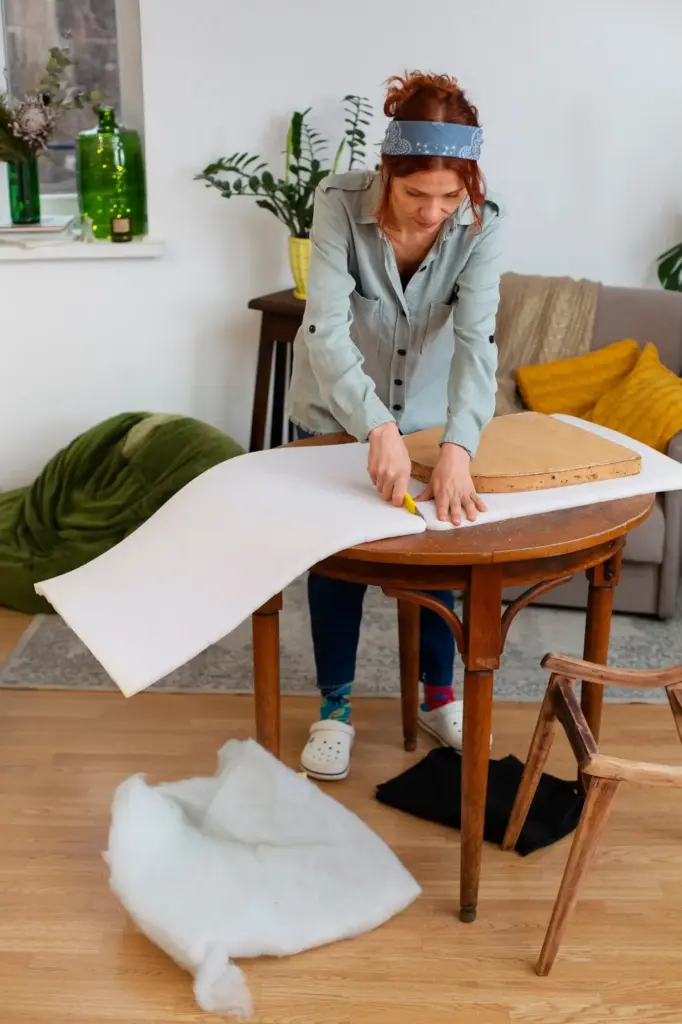
Making repairs is more than maintenance; it is a craft that reconnects hands, materials, and memory. Start small, celebrate each success, and let curiosity lead the next attempt. Choose techniques that respect original construction, favor reversible steps, and avoid hard‑to‑undo adhesives. The satisfaction of stabilizing a joint or reviving a switch nurtures confidence and reduces waste immediately. Post your wins, however tiny, so others learn from your process and feel encouraged to try the next fix.

Wood: Grain Revival, Minimal Toxics

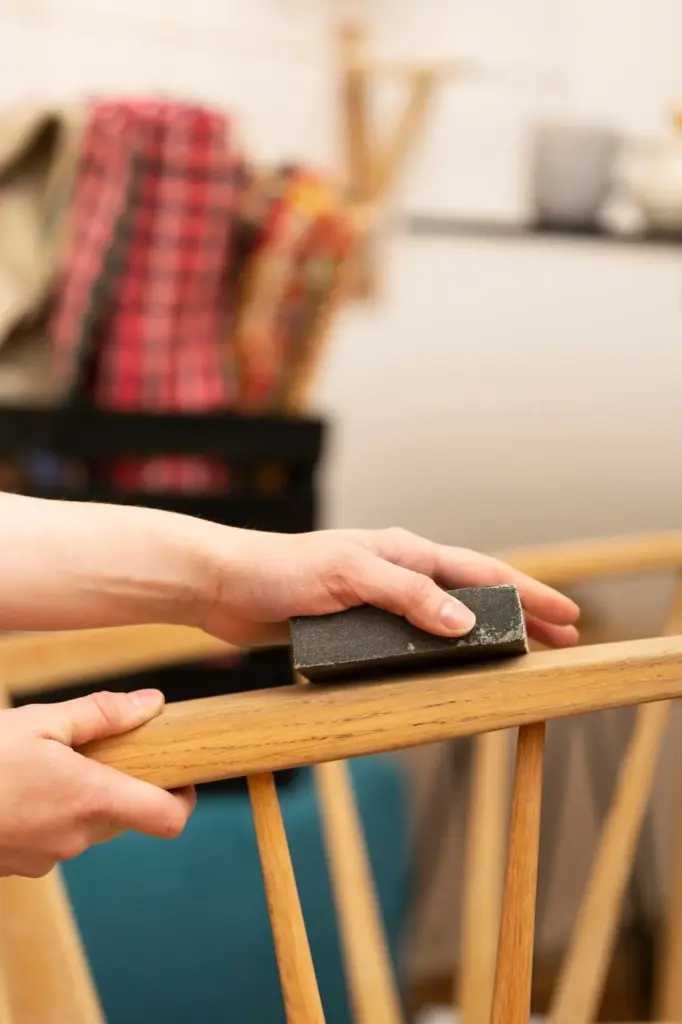
Strip gently with a biodegradable remover or card scraper, then sand only enough to open the grain. Raise fibers with water before the final pass. Finish with hardwax oil or shellac for spot‑repair ease. Document color formulas and sheen so matching later remains painless and precise.

Metal: Rust Managed, Luster Kept

Use citric acid baths or mechanical abrasion to remove rust without erasing tool marks. Neutralize thoroughly, then seal with microcrystalline wax, lacquer, or a durable paint system. Replace missing hardware with standard sizes, noting thread counts, to simplify future swaps and maintain circular flexibility.

Textiles: Clean, Mend, Protect

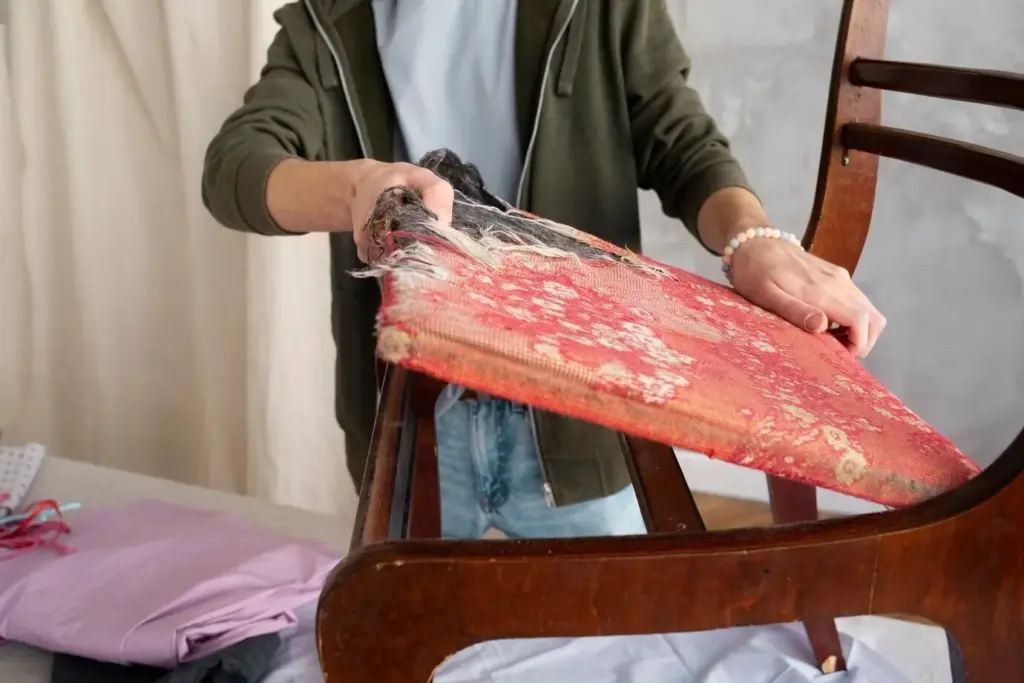
Vacuum with gentle brush tools, treat stains by fiber type, and wash removable covers using mild detergents. Patch tears with matching weave orientation, reinforce high‑stress seams, and rotate cushions to even wear. Add slipcovers or throws to defer washing cycles and make periodic refreshes delightfully simple.

Furniture Hybrids that Solve Problems

Marry a solid vintage tabletop to adjustable trestles for a convertible dining‑desk zone. Recut a damaged bookcase into two low consoles to improve airflow around radiators. Add locking casters to heavy chests for flexible seating. Each modification extends usefulness while keeping future disassembly completely feasible.

Architectural Salvage as Everyday Utility

Old doors become sliding partitions with track hardware; paneled sections transform into charismatic headboards. Cast‑off marble thresholds make elegant window sills or pastry‑friendly counter boards. Whenever possible, keep pieces at full size, avoiding irreversible cuts, so future owners can reassign them to new rooms effortlessly.

Sourcing with Integrity

Thoughtful sourcing keeps money in the local economy, reduces transport emissions, and uncovers character you cannot buy new. Prioritize secondhand platforms, salvage yards, repair cafes, and community swaps. When buying new, prefer parts and pieces, not monolithic sets, and demand transparency about finishes, adhesives, and warranties that support repair rather than conceal faults.

01

Buying Secondhand Strategically

Measure first, carry reference photos of your rooms, and bring a tape, flashlight, and small square. Inspect joinery, veneer edges, and odors that signal mold or smoke. Negotiate kindly, factor repair materials into price, and arrange responsible delivery to avoid rushed, wasteful choices at the last moment.

02

Material Health and Certifications

Look for low‑emission labels like GREENGUARD Gold, water‑based finishes, and solid wood instead of mystery composites. Ask about formaldehyde content, plasticizers, and fire retardants. Healthier materials age better, smell better, and invite touch—qualities that keep objects loved, maintained, and circulating within your home for many years.

03

Designing to Standard Dimensions

When you choose mattresses, cabinet modules, or handles in common sizes, replacements and upgrades remain easy. Standardization supports circularity by enabling swaps, repairs, and improved parts without scrapping entire assemblies. Keep a dimension log so future purchases align gracefully with what you already own.

Design for Disassembly and Future Change
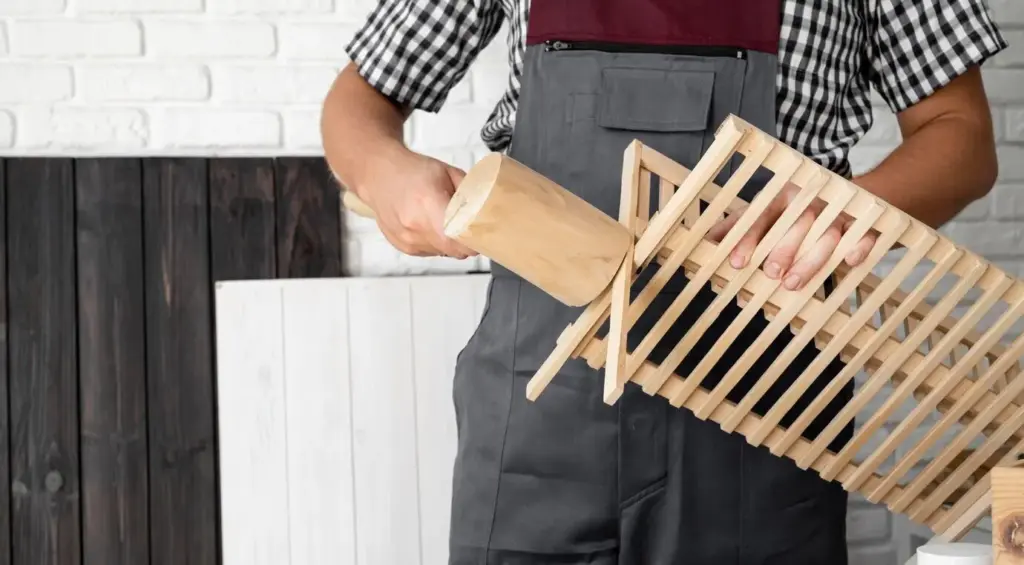
Spaces become truly adaptable when assemblies come apart without damage. Favor knock‑down joinery, screws over permanent glue, clip‑on panels, and click‑lock floors. Label hidden components, maintain exploded sketches, and store spare parts neatly. The payoff appears during moves, renovations, and repairs, where reversible choices save time, money, and material waste.
Rakenurukefuvimozutezozu
Privacy Overview

This website uses cookies so that we can provide you with the best user experience possible. Cookie information is stored in your browser and performs functions such as recognising you when you return to our website and helping our team to understand which sections of the website you find most interesting and useful.