
Stories Woven in Salvaged Wood and Steel
Foundations of Narrative Design with Upcycled Furniture
Tracing Provenance, Honoring Journeys
Create a simple dossier for each piece, noting maker marks, past owners, local history, and repair notes. These breadcrumbs guide placement, color decisions, and messaging, ensuring authenticity while preventing nostalgic clichés that flatten complexity or turn meaningful wear into gimmickry.
Composing Material Harmonies
Balance tones, grains, and weights so recycled oak, painted steel, and reclaimed rattan complement rather than clash. Build families of textures that repeat softly across rooms, allowing visual rhythm to emerge without sacrificing the singular character that makes every rescued element compelling.
Sourcing with Integrity
Choose suppliers who document origins, pay fair wages, and prioritize safe deconstruction practices. Ask about finishes and adhesives to avoid toxins. Responsible sourcing anchors the story in care, protecting health, reducing waste, and reinforcing the values your spaces quietly advance to guests and family.
Techniques That Let Objects Speak
Cohesion Across Rooms Without Uniformity
Living Areas as Conversational Stages
Anchor with a rescued coffee table or low cabinet bearing visible repairs, then flank with contemporary seating for contrast. Use repeated metals or stitch patterns in throws to connect viewpoints, encouraging guests to ask questions, touch surfaces, and share their own recollections.
Bedrooms That Hold Quiet Memories
Choose a refinished dresser with dovetails, pair it with linen and clay lamps, and mute the palette to hush daylight shifts. Storage cubes on casters welcome evolving wardrobes, while a single heirloom chair becomes ritual, supporting journaling, lacing boots, or evening meditations.
Kitchens and Dining with Heritage Warmth
Let an industrial prep table carry knife marks and bakery stamps, then soften with reclaimed pine shelves. Mix odd chairs unified by seat height and finish sheen. Recipes and objects mingle, cultivating gatherings where conversation flows as easily as hand‑me‑down ladles.
Reading Patina for Palette Cues
Patterns That Link Without Overpowering
Light, Shadow, and Reflective Dialogue
Color, Pattern, and Light as Narrative Glue
Sustainability You Can Measure and Feel
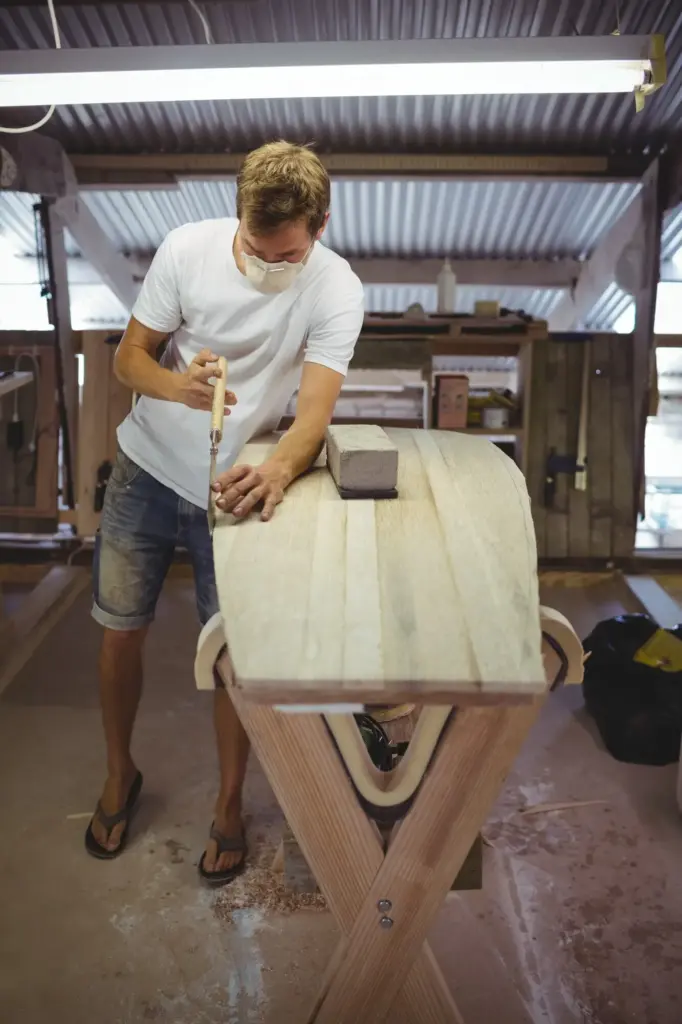
Embodied Carbon, Plainly Explained
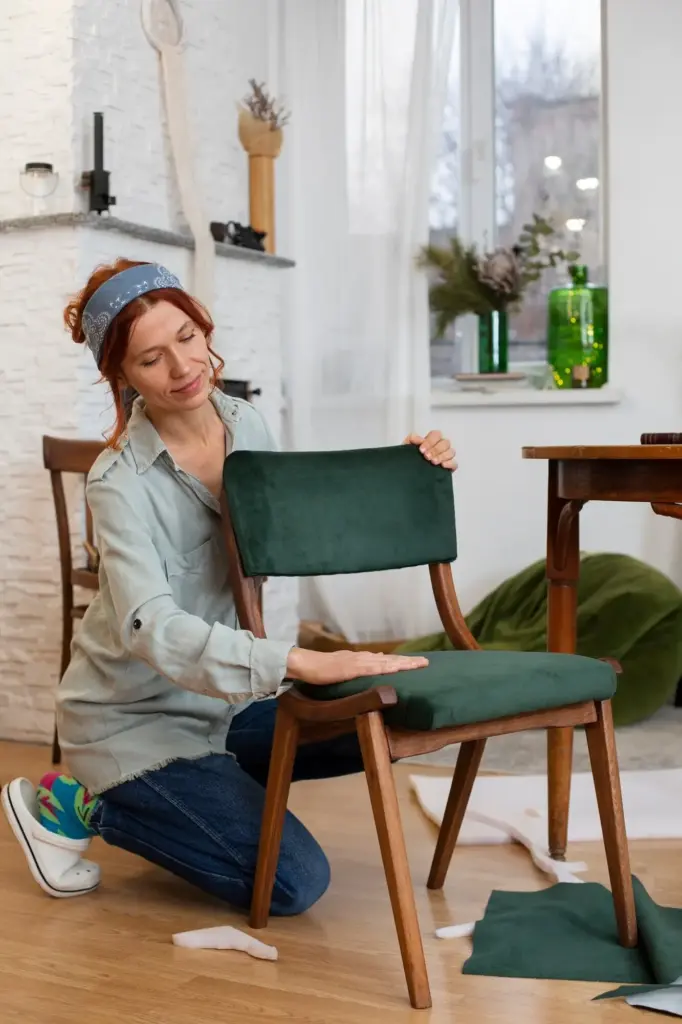
Healthier Finishes, Healthier Days
Community, Sharing, and Your Ongoing Story
All Rights Reserved.