
Gentle Mastery of Natural Materials
Wood That Breathes: Daily Care For Lasting Beauty
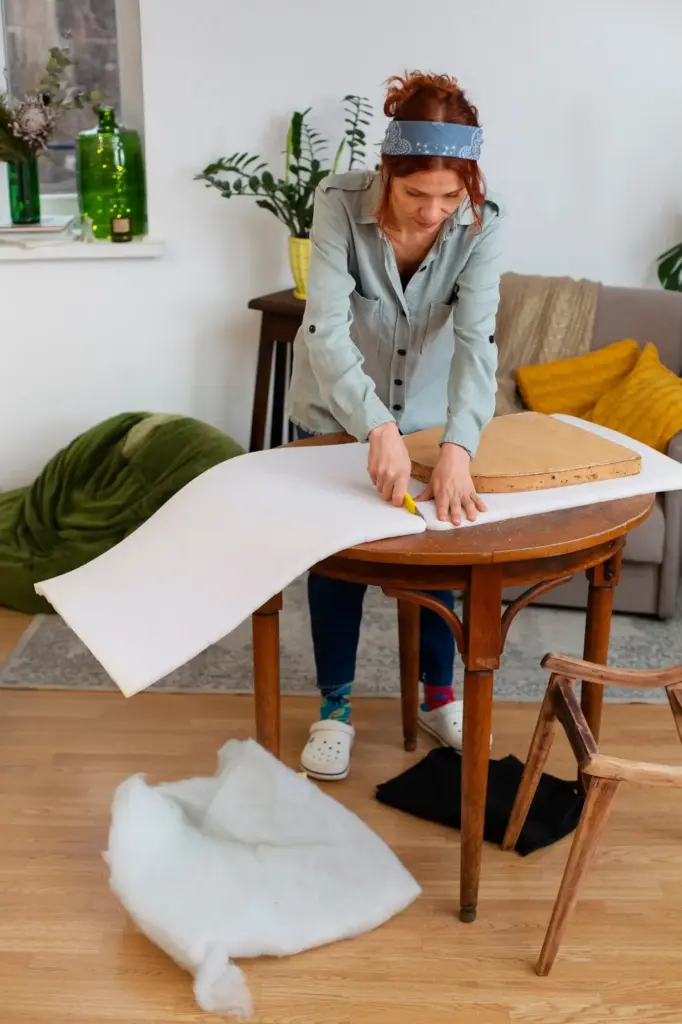
Choosing Finishes That Nourish, Not Suffocate
Prioritize penetrating options like cold-pressed linseed oil and beeswax blends with minimal volatile organic compounds, letting the wood’s pores breathe. Avoid thick synthetic films that crack and trap moisture. Test on concealed areas, apply thin coats, and buff patiently. The result is a natural sheen, enhanced grain depth, and a finish you can refresh without sanding everything back to bare.
Humidity, Heat, and Sunlight: Managing the Microclimate
Prioritize penetrating options like cold-pressed linseed oil and beeswax blends with minimal volatile organic compounds, letting the wood’s pores breathe. Avoid thick synthetic films that crack and trap moisture. Test on concealed areas, apply thin coats, and buff patiently. The result is a natural sheen, enhanced grain depth, and a finish you can refresh without sanding everything back to bare.
Small Repairs: From Scratches to Water Rings
Prioritize penetrating options like cold-pressed linseed oil and beeswax blends with minimal volatile organic compounds, letting the wood’s pores breathe. Avoid thick synthetic films that crack and trap moisture. Test on concealed areas, apply thin coats, and buff patiently. The result is a natural sheen, enhanced grain depth, and a finish you can refresh without sanding everything back to bare.
Leather That Ages With Grace

Know Your Leather: Full-Grain, Top-Grain, and Finishes
Full-grain breathes and patinates deeply, while heavily coated leathers resist stains but accept conditioners less readily. Suede and nubuck demand dry methods and dedicated brushes. Identify finish by dropping a tiny bead of water and observing absorption. Document observations and patch-test every product behind a seam. Matching approach to structure and finish prevents dye lift, sticky residue, and uneven darkening.
Gentle Cleaning With pH Awareness
Full-grain breathes and patinates deeply, while heavily coated leathers resist stains but accept conditioners less readily. Suede and nubuck demand dry methods and dedicated brushes. Identify finish by dropping a tiny bead of water and observing absorption. Document observations and patch-test every product behind a seam. Matching approach to structure and finish prevents dye lift, sticky residue, and uneven darkening.
Conditioning Rhythm and Storage That Breathes
Full-grain breathes and patinates deeply, while heavily coated leathers resist stains but accept conditioners less readily. Suede and nubuck demand dry methods and dedicated brushes. Identify finish by dropping a tiny bead of water and observing absorption. Document observations and patch-test every product behind a seam. Matching approach to structure and finish prevents dye lift, sticky residue, and uneven darkening.
Linen: Crisp Calm, Washed With Care
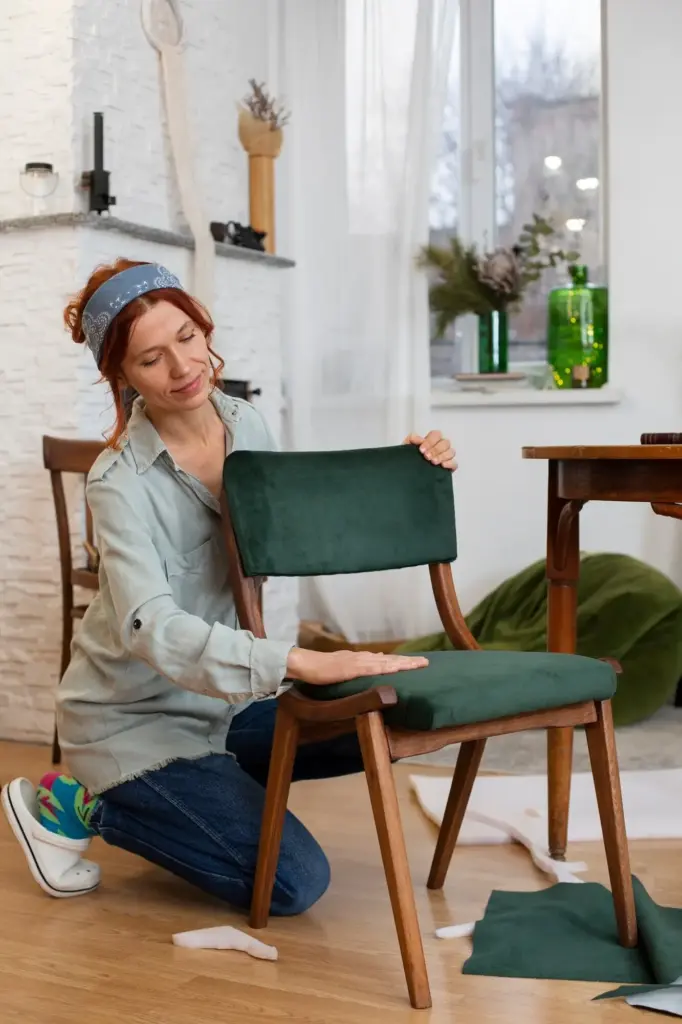
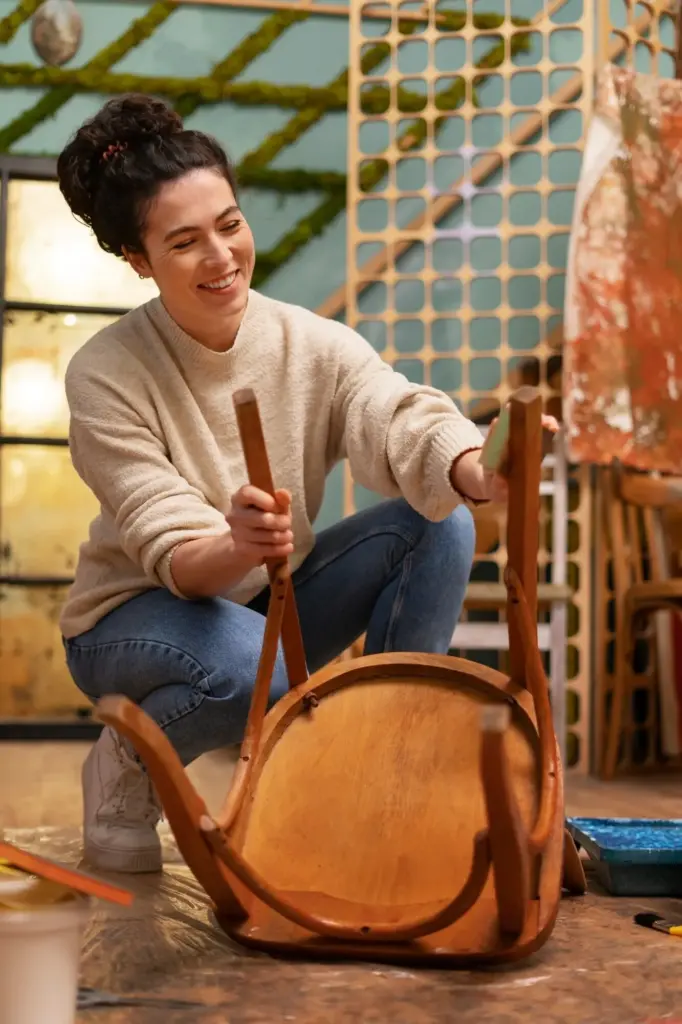
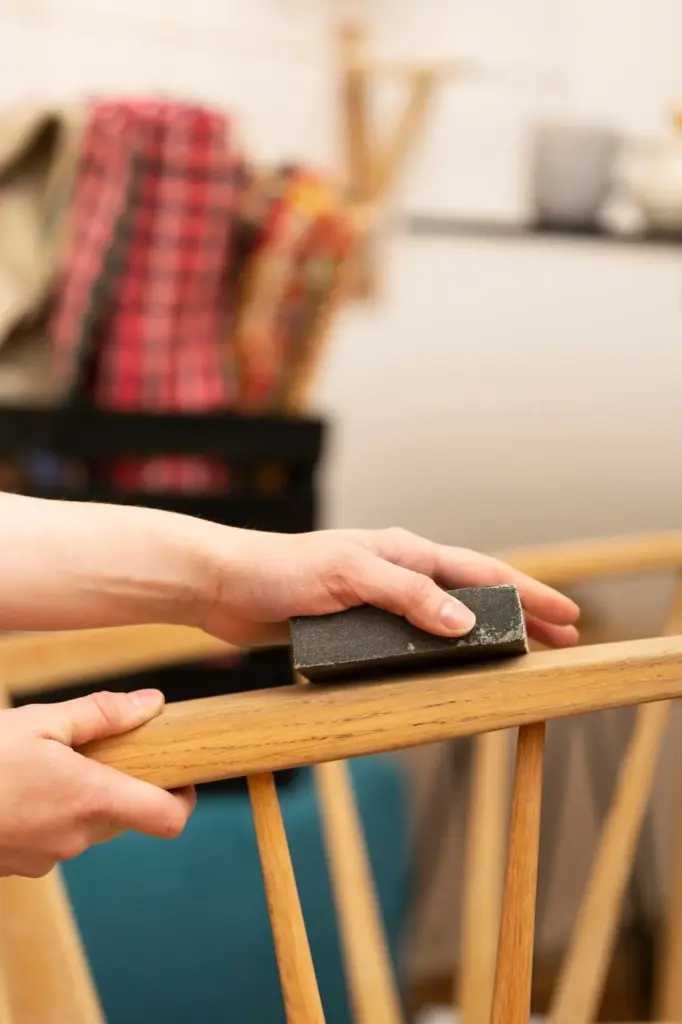

Wool: Warmth Without Felting
{{SECTION_SUBTITLE}}

Handwash Ritual: Slow, Cool, and Calm
Blocking and Shape: The Finishing Touch
Your Eco-Safe Care Toolkit
Repair Culture and Mindful Use

Visible Mending: Craft That Celebrates History
Turn flaws into features using sashiko-inspired stitching on linen and wool, matching or contrasting threads to embrace character. Back fragile areas with lightweight patches, minding grain direction. Photograph before-and-after to document learning. Over time, each repair tells a story of care rather than compromise. This practice lowers consumption, builds skill, and invites conversation around value, patience, and respectful resource use.
When to Call a Professional
Turn flaws into features using sashiko-inspired stitching on linen and wool, matching or contrasting threads to embrace character. Back fragile areas with lightweight patches, minding grain direction. Photograph before-and-after to document learning. Over time, each repair tells a story of care rather than compromise. This practice lowers consumption, builds skill, and invites conversation around value, patience, and respectful resource use.
Seasonal Checklists and Gentle Accountability
Turn flaws into features using sashiko-inspired stitching on linen and wool, matching or contrasting threads to embrace character. Back fragile areas with lightweight patches, minding grain direction. Photograph before-and-after to document learning. Over time, each repair tells a story of care rather than compromise. This practice lowers consumption, builds skill, and invites conversation around value, patience, and respectful resource use.

All Rights Reserved.