
Follow the Story: Provenance and Furniture Passports for Sustainable Living
From Origin to Home: Why Traceability Transforms Furniture
Trust Built on Verifiable Stories
Guardrails Against Greenwashing
A Reclaimed Oak Table With a Scannable Journey
Inside a Furniture Passport
Core Data Fields That Matter
Tagging Tech That Fits Real Life
Sourcing That Respects Forests, Metals, and People
Designing for Long Life, Repair, and Upgrade
Modularity and Standardized Joinery
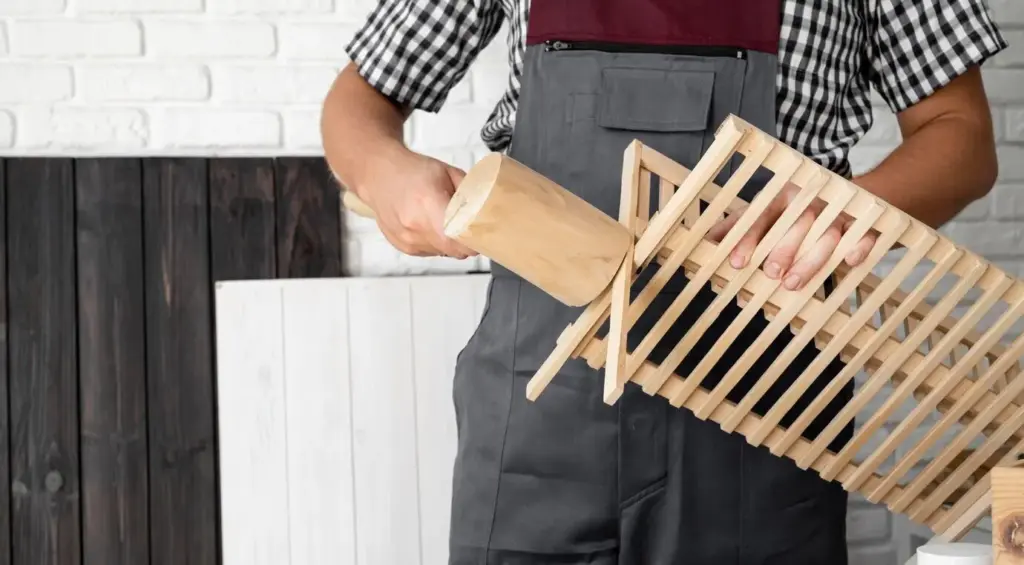
Modular components let seats, arms, and legs be removed, replaced, or upgraded without cutting or breaking. Standard screws and inserts simplify service everywhere from homes to contract spaces. The passport shows which modules fit which production runs, avoiding mismatches. This predictability supports take-back programs and refurbishment partners, who can confidently estimate labor and parts before work begins, making professional repairs economical and accessible.
Finishes and Fasteners Chosen for Serviceability
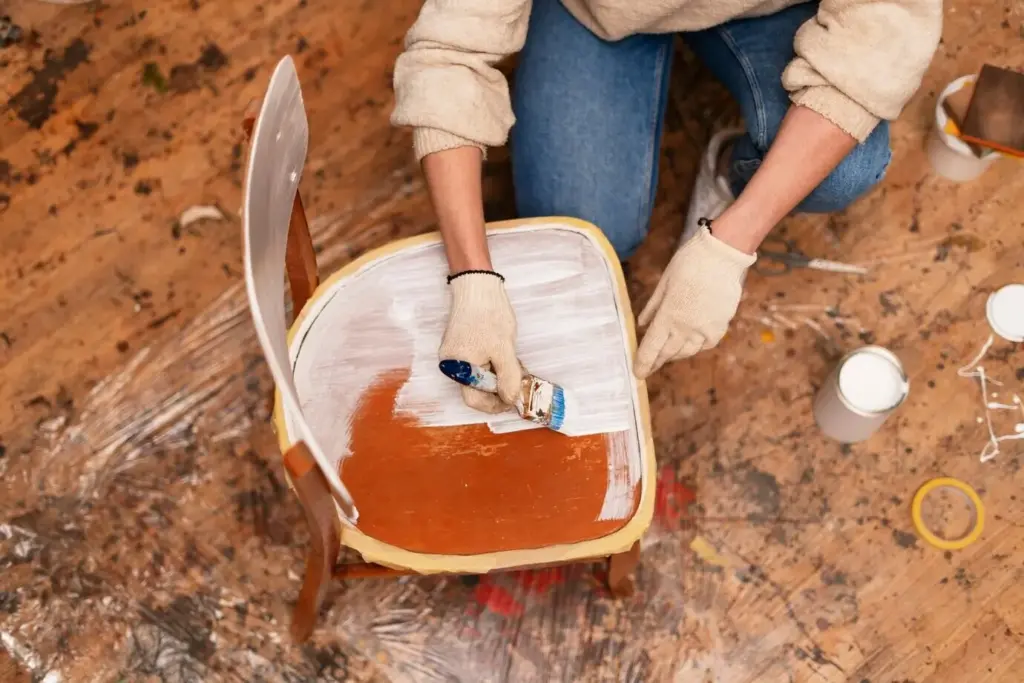
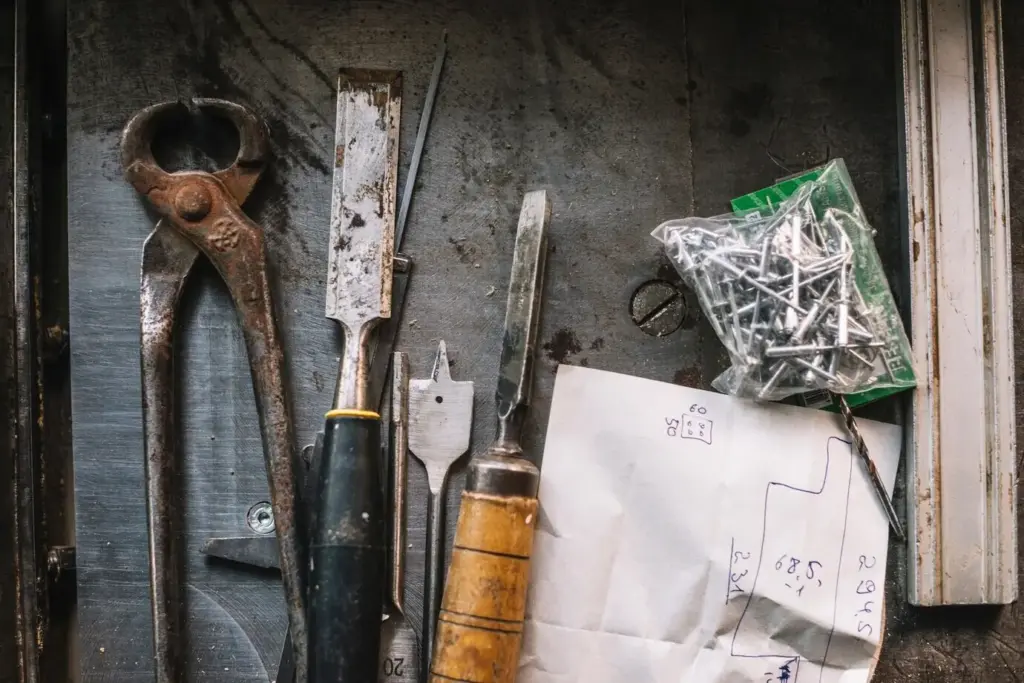
Selecting finishes that can be repaired in place—like hardwax oils or catalyzed systems with known protocols—reduces downtime and cost. Fasteners chosen for repeat assembly avoid stripped holes and cracked frames. The passport lists sheen levels, color codes, and curing times, making touch-ups achievable. Clear guidance prevents aggressive sanding or harsh cleaners that shorten life, replacing risky guesswork with precise, tested, material-specific instructions.
Spare Parts, Diagrams, and a Repair Culture
A repair culture needs tools: exploded diagrams, torque values, part SKUs, and lead times. The passport gathers everything, including compatible third-party components when available. Owners feel supported rather than stranded when hinges fail or cushions tire. Sharing before-and-after photos and adding notes to the record turns service into community learning, inviting pride in stewardship and deepening the bond between people and their everyday objects.
Data Integrity Without Hype
Care, Maintenance, and Circular Journeys
Daily Care Guided by Materials Science
Knowledge beats myths. Wood dislikes dramatic humidity swings; textiles react differently to solvents; metals appreciate gentle, non-abrasive cleaning. A passport gives tailored protocols that actually work, preventing damage caused by improvisation. Clear schedules, compatible products, and seasonal reminders keep beauty intact. Over years, disciplined care proves cheaper and greener than replacement, protecting both the story and the structure of your cherished pieces.
Refurbish Without Losing Identity
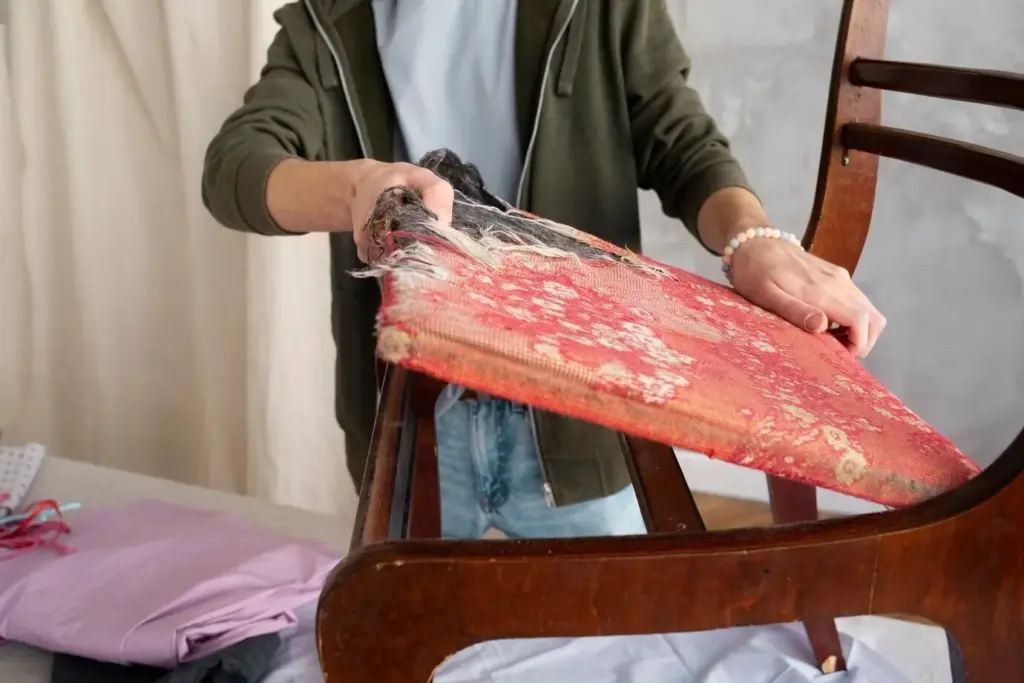
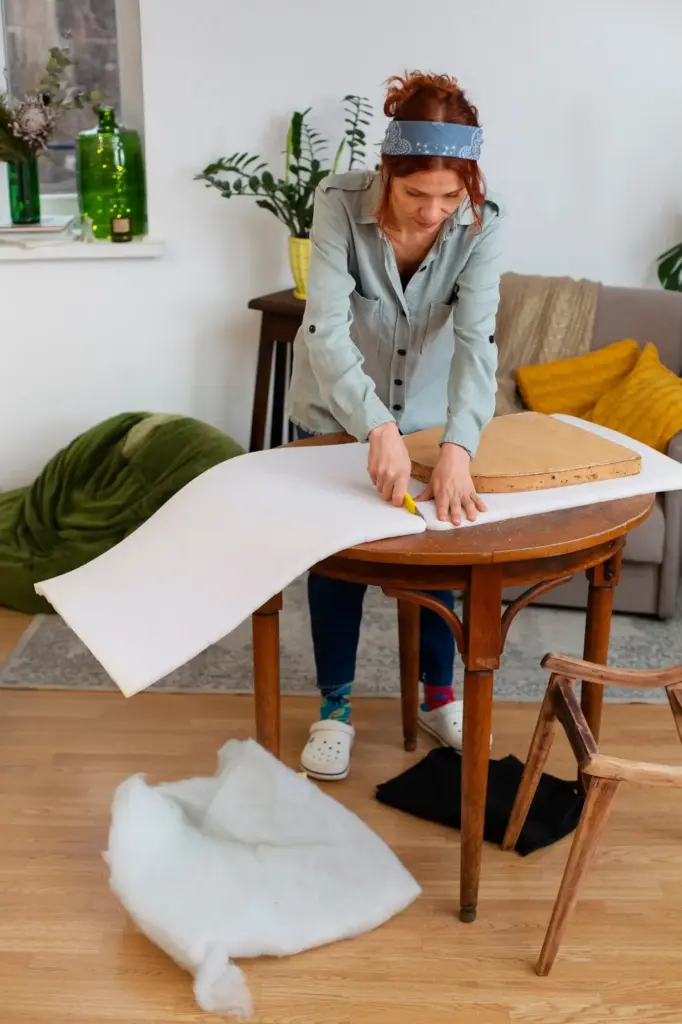
When fabric fades or finishes tire, a documented identity preserves continuity. Color codes, foam densities, and finish formulas ensure updates match intent, not just appearance. Service logs show what changed and when, supporting warranties and future resale. Owners feel empowered to refresh boldly, confident that updates add to the piece’s biography rather than erasing it. Renewal becomes an art form that honors original craftsmanship.
Trade-In, Leasing, and Take-Back Programs in Action
Circular programs thrive on reliable records. A passport helps evaluate condition, verify materials, and calculate refurbishment plans before pickup, making logistics efficient. Leasing models benefit from predictable maintenance, while buy-backs gain fair, transparent pricing. At end-of-life, materials reach proper recyclers with accurate labeling. Each pathway, logged in the record, shows how responsible design and stewardship keep value circulating instead of sending resources to landfills.
All Rights Reserved.