Living Memory: Sustainable Interiors That Cherish Ancestral Craft
Today we explore Cultural Heritage in Sustainable Interiors: Restoring Traditions Through Responsible Furniture Conservation, celebrating objects that carry family memory, regional craft, and low-impact materials. Expect practical guidance, heartfelt stories, and respectful methods that favor repair over replacement, value reversibility, and protect both cultural identity and the environment. Share your experiences in the comments, subscribe for future case studies, and help us keep these skills alive through conversation, mentorship, and everyday choices that honor wisdom passed down through hands and homes.

Grandmother’s Elm Chair, Reimagined

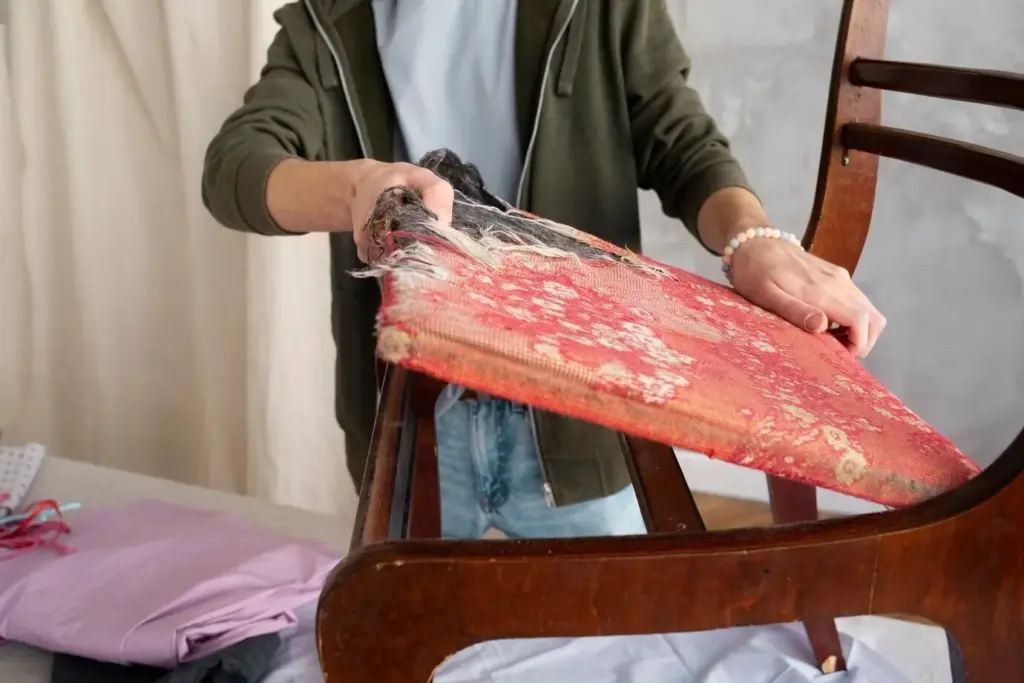
A wobble and water ring need not signal retirement for a beloved seat. Stabilize joints with reversible hide glue, align the frame without over-sanding history, and refresh with a plant-based oil that nourishes rather than smothers. A simple linen cushion, stuffed with responsibly sourced wool, can ease pressure points without altering the silhouette. By retaining tool marks and soft wear, the chair keeps its voice, offering comfort and continuity while sidestepping the carbon cost of buying new.

A Pattern Carries a Story

Motifs on textiles or carved rails often encode regional meaning—waves for journeys, wheat for resilience, stars for guidance. Instead of replacing these with generic trends, highlight them through positioning and contrast. A neutral wall can frame a richly carved backrest, while a hand-loomed throw echoes its rhythm. Document any known origins so visitors and children can learn respectfully. Supporting local artisans to repair or extend these patterns helps sustain living knowledge while avoiding imitative, disconnected ornament.

From Attic to Anchor Piece

An overlooked trunk, scuffed and sun-faded, can become a living centerpiece that sets the tone for a sustainable room. Clean gently with castile soap, wax with beeswax and citrus, and replace missing hardware with reclaimed iron. Add felt pads to protect floors and use a cedar sachet to deter moths. The piece earns daily purpose as storage and table, lifting clutter while preserving lineage. Each scratch becomes a conversation starter, reminding guests that care is more elegant than novelty.
Materials That Honor Ancestors and Earth
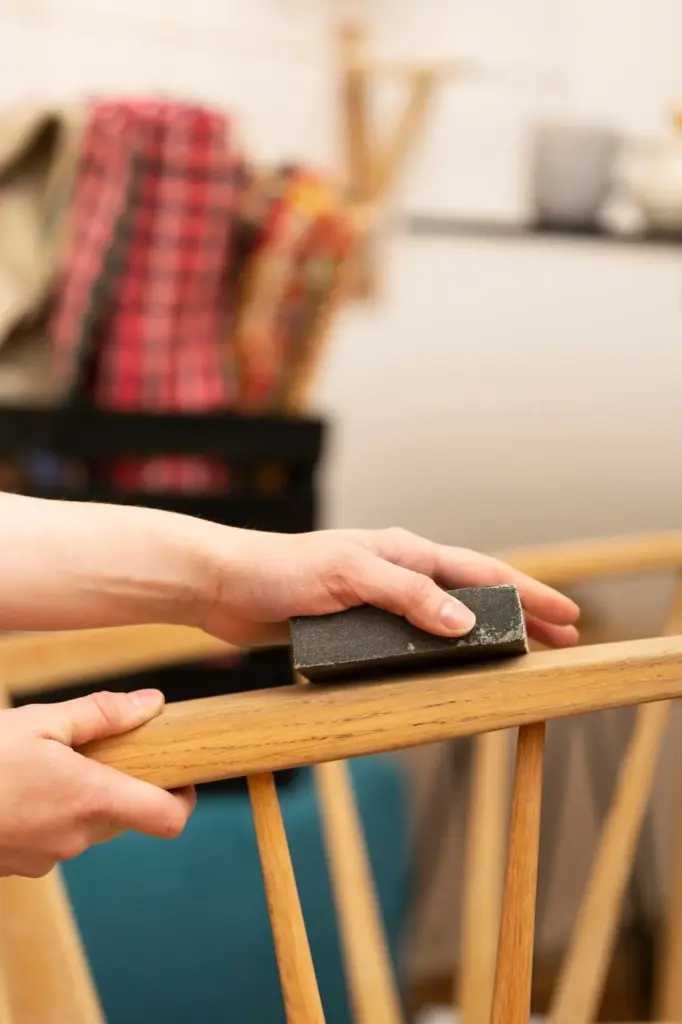
Materials should respect both cultural provenance and ecological boundaries. Choose responsibly sourced hardwoods with clear chain-of-custody documentation, favor natural adhesives and finishes, and ensure textiles are renewable, repairable, and dyed with low-impact methods. When in doubt, choose the option that breathes, can be maintained without specialized chemicals, and will age gracefully rather than peel or off-gas. Such choices keep restoration accessible across generations, allowing caregivers to refresh finishes, mend fibers, and steward objects without introducing toxins or erasing historic character.

Reversibility as a Promise

Opt for mechanical joins and traditional adhesives that respond to modest heat and moisture rather than irreversible epoxies. Label additions in the care log with dates, materials, and reasons for use. Photographs before, during, and after treatment provide a roadmap for future adjustments. By treating every repair as a steward’s note rather than a permanent stamp, you honor time’s role, acknowledging that conditions change and future hands may possess better tools, skills, or knowledge to refine today’s solution.

Invisible Strength

Sometimes the kindest repair disappears into the structure. A Dutchman patch matched to grain and density restores integrity where rot nibbled an edge; a concealed spline stabilizes a cracked top without stealing attention. Use consolidated fibers only where necessary, testing compatibility and keeping saturations minimal. Cushioning high-stress joints with natural felt reduces friction and noise. The aim is not to make old look new, but to make old work safely, gracefully, and honestly in a demanding, modern rhythm.

The Cedar Chest That Crossed an Ocean

Salt air dulled the brass; a cracked panel whispered of hurried ports and hopeful landings. Cleaning respected verdigris, leaving a glow rather than glare. A breathable oil revived cedar’s protective scent, and a loose hinge was re-pinned with reclaimed hardware. Inside, a pocket holds copied letters that describe its voyage. Now the chest sits at a window, storing quilts and courage, reminding new citizens that sustainability includes honoring the effort embedded in what already exists.

The Artist’s Studio Stool

Splattered with decades of paint, the stool looked tired yet alive. We tightened worn joints, retained the color map as documentary evidence, and added a gentle wax to protect without theatrical gloss. The seat’s edge softening was preserved, respecting an artist’s habit of leaning between strokes. In a living room, it now supports sketchbooks and tea, sparking conversations about practice, patience, and repair. Children learn to see marks not as mess, but as the handwriting of dedication.

A Village Bench Becomes a Community Catalyst

The bench once hosted harvest talks, lullabies, and storm plans. A split spanned its length; we stitched it with a butterfly key, leaving the repair visible as a teaching moment. At a local library, the bench anchors a reading nook where elders share craft memories and teens learn oiling techniques. Small engraved plates credit donors and artisans. This shared stewardship model shows how conservation radiates outward, strengthening neighborhoods, mentoring new hands, and keeping valuable skills circulating within reach.

Stories from Restored Pieces

Narratives give furniture moral gravity, turning conservation into shared purpose. Personal histories, migration journeys, and everyday rituals accumulate as scars and shine. By inviting families to tell these stories alongside careful repairs, interiors become relational spaces rather than showrooms. We hear how a cedar chest carried letters across oceans, or how a kitchen table hosted decades of birthdays. Such accounts teach patience, inspire craft curiosity, and form communities willing to learn, volunteer, and fund restorative work with gratitude.

Designing Spaces that Teach and Inspire
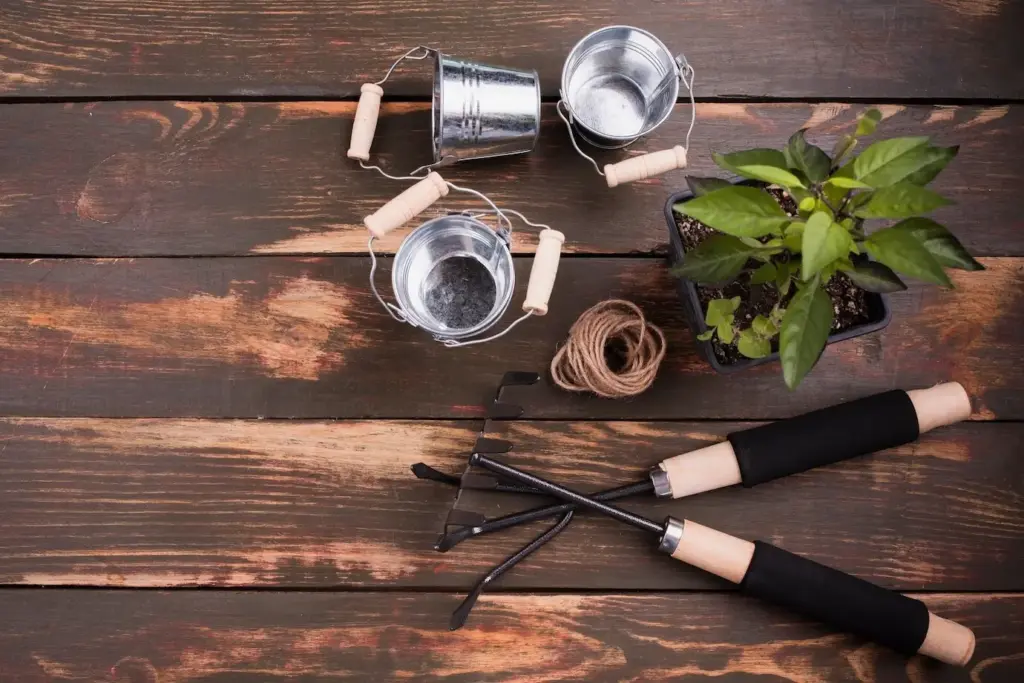
A thoughtful room can quietly instruct without slipping into museum stiffness. Clear sightlines, honest materials, and gentle interpretive cues guide attention to joinery, grain, and woven detail. Tactile experiences, when appropriate, invite touch while teaching care. Supportive microclimates reduce stress on vulnerable pieces. Every choice—placement, light, scent, sound—tells visitors that sustainability is affectionate, precise, and participatory. Encourage guests to ask questions, sign up for workshops, and leave stories or tips that can live alongside the objects.

Interpretive Labels, Not Museum Barriers
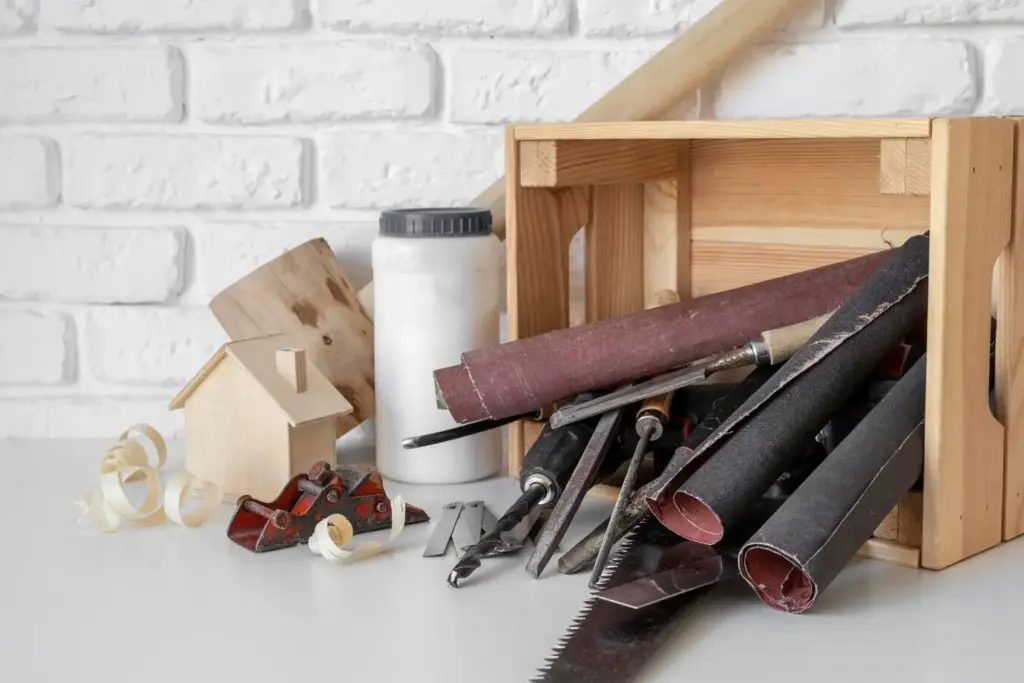
A small, handsome card near a sideboard can share maker, materials, and restorative steps in friendly language. Include practical advice—how to dust with a soft brush, when to re-wax, who to call for structural concerns. Add a brief cultural note sourced with care, avoiding appropriation and speculation. Labels should invite conversation, not gatekeeping. Provide a QR code to deeper histories and tutorial videos. This light-touch approach gives context, empowers maintenance, and encourages respectful engagement for all ages.

Layouts that Invite Touch with Care

Arrange circulation to reduce accidental bumps while allowing intimate viewing. Provide a designated touch piece—perhaps a sample board with finishes and joints—so curiosity has a safe outlet. Pair textiles with seating where visitors can feel natural fibers and understand durability. Small trays for rings and keys near delicate surfaces prevent scratches. These design gestures teach stewardship by example, demonstrating that interaction and protection are compatible, and that a welcoming interior can still honor the endurance of precious, working objects.

Community, Ethics, and Long-Term Stewardship

Sustainable interiors flourish when many hands collaborate ethically. Provenance research prevents accidental harm, and partnerships with makers ensure living crafts remain viable. Transparency avoids greenwashing, while inclusive programs welcome learners from varied backgrounds. Long-term care plans outlast décor cycles, supported by shared tools, open documentation, and mutual aid networks. Invite neighbors to contribute stories, materials, and time; compensate artisans fairly; and welcome feedback. Together, these practices secure cultural continuity while reducing extraction, waste, and performative, disposable consumption.

Consent and Cultural Context

Before displaying pieces with sacred or sensitive meanings, consult community representatives or cultural organizations to understand protocols, imagery, and appropriate use. If a design requires privacy or specific handling, honor those needs. Credit sources transparently, including makers, regions, and any adaptations. When uncertainties remain, consider displaying educational materials rather than the object. Consent-based stewardship fosters trust, avoids misrepresentation, and models humility. This careful approach enriches interiors with dignity, ensuring that respect accompanies beauty and technical excellence in equal measure.

Care Plans that Outlast Trends

Create seasonal routines for dusting, waxing, humidity checks, and textile airing. Assign roles within the household or team, and keep a shared digital log. Stock a small kit: natural soap, soft brushes, breathable oils, beeswax, and cotton cloths. Schedule annual checkups with a conservator for structural assessments. Invite apprentices to observe and learn, expanding community capacity. This rhythm keeps pieces stable and reduces costly emergencies, proving that consistency—not urgency—delivers the most sustainable, culturally sensitive results over decades of daily use.

Rakenurukefuvimozutezozu
Privacy Overview

This website uses cookies so that we can provide you with the best user experience possible. Cookie information is stored in your browser and performs functions such as recognising you when you return to our website and helping our team to understand which sections of the website you find most interesting and useful.