
Living Memory: Sustainable Interiors That Cherish Ancestral Craft
Grandmother’s Elm Chair, Reimagined
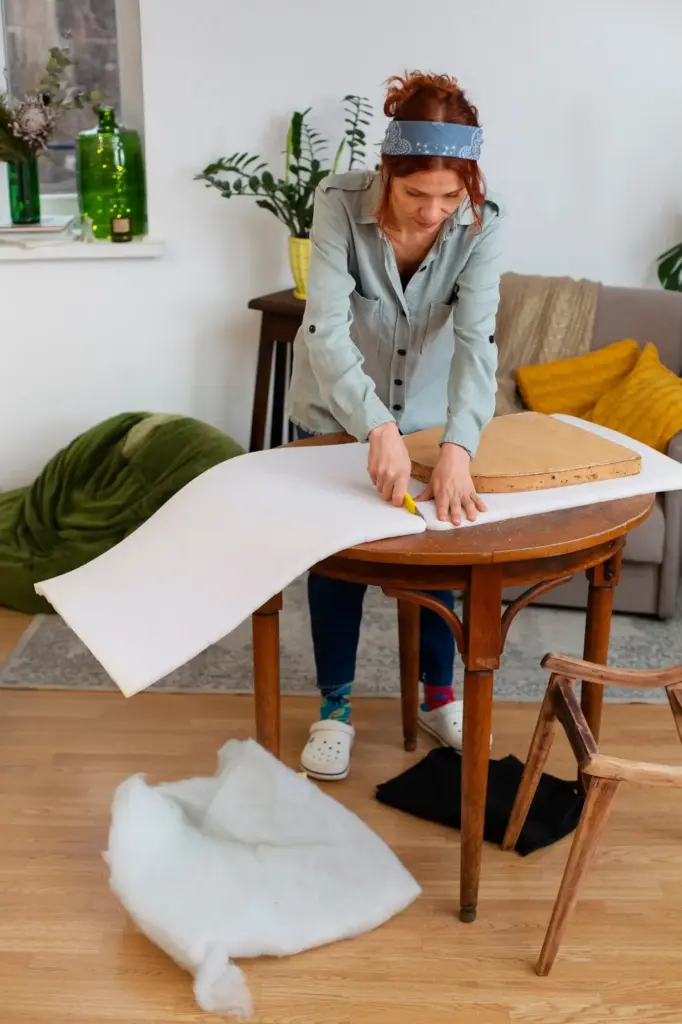
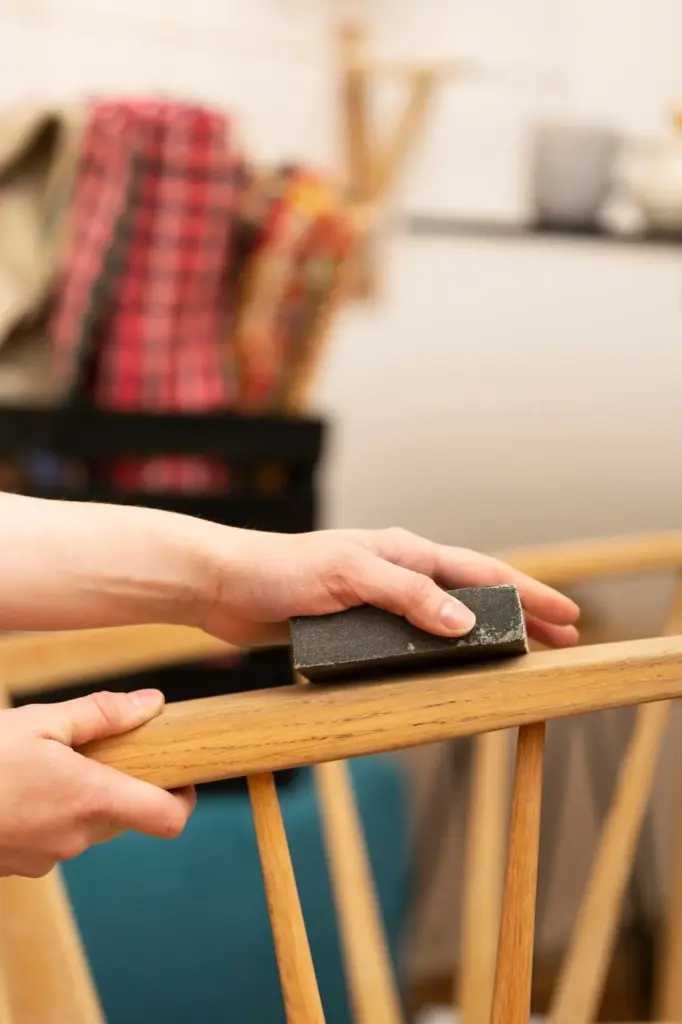
A wobble and water ring need not signal retirement for a beloved seat. Stabilize joints with reversible hide glue, align the frame without over-sanding history, and refresh with a plant-based oil that nourishes rather than smothers. A simple linen cushion, stuffed with responsibly sourced wool, can ease pressure points without altering the silhouette. By retaining tool marks and soft wear, the chair keeps its voice, offering comfort and continuity while sidestepping the carbon cost of buying new.
A Pattern Carries a Story
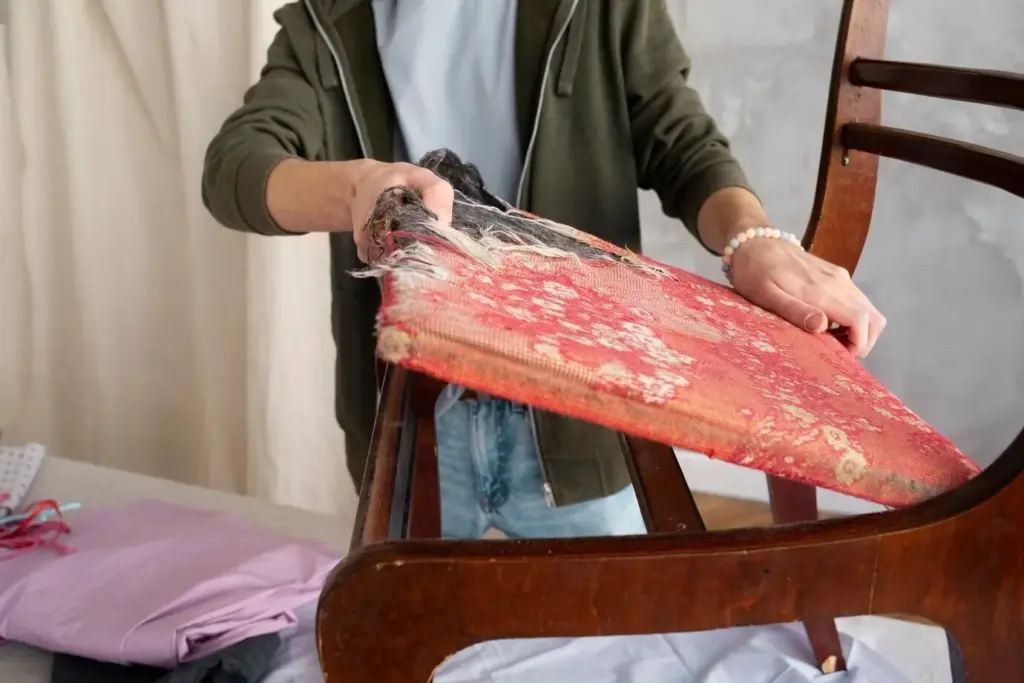
Motifs on textiles or carved rails often encode regional meaning—waves for journeys, wheat for resilience, stars for guidance. Instead of replacing these with generic trends, highlight them through positioning and contrast. A neutral wall can frame a richly carved backrest, while a hand-loomed throw echoes its rhythm. Document any known origins so visitors and children can learn respectfully. Supporting local artisans to repair or extend these patterns helps sustain living knowledge while avoiding imitative, disconnected ornament.
From Attic to Anchor Piece
An overlooked trunk, scuffed and sun-faded, can become a living centerpiece that sets the tone for a sustainable room. Clean gently with castile soap, wax with beeswax and citrus, and replace missing hardware with reclaimed iron. Add felt pads to protect floors and use a cedar sachet to deter moths. The piece earns daily purpose as storage and table, lifting clutter while preserving lineage. Each scratch becomes a conversation starter, reminding guests that care is more elegant than novelty.

Materials That Honor Ancestors and Earth
Reversibility as a Promise

Invisible Strength
The Cedar Chest That Crossed an Ocean
The Artist’s Studio Stool
A Village Bench Becomes a Community Catalyst
Stories from Restored Pieces
Designing Spaces that Teach and Inspire
Interpretive Labels, Not Museum Barriers

Layouts that Invite Touch with Care
Community, Ethics, and Long-Term Stewardship
Consent and Cultural Context
Before displaying pieces with sacred or sensitive meanings, consult community representatives or cultural organizations to understand protocols, imagery, and appropriate use. If a design requires privacy or specific handling, honor those needs. Credit sources transparently, including makers, regions, and any adaptations. When uncertainties remain, consider displaying educational materials rather than the object. Consent-based stewardship fosters trust, avoids misrepresentation, and models humility. This careful approach enriches interiors with dignity, ensuring that respect accompanies beauty and technical excellence in equal measure.
Care Plans that Outlast Trends
Create seasonal routines for dusting, waxing, humidity checks, and textile airing. Assign roles within the household or team, and keep a shared digital log. Stock a small kit: natural soap, soft brushes, breathable oils, beeswax, and cotton cloths. Schedule annual checkups with a conservator for structural assessments. Invite apprentices to observe and learn, expanding community capacity. This rhythm keeps pieces stable and reduces costly emergencies, proving that consistency—not urgency—delivers the most sustainable, culturally sensitive results over decades of daily use.

All Rights Reserved.