
Give Your Rooms a Second Life
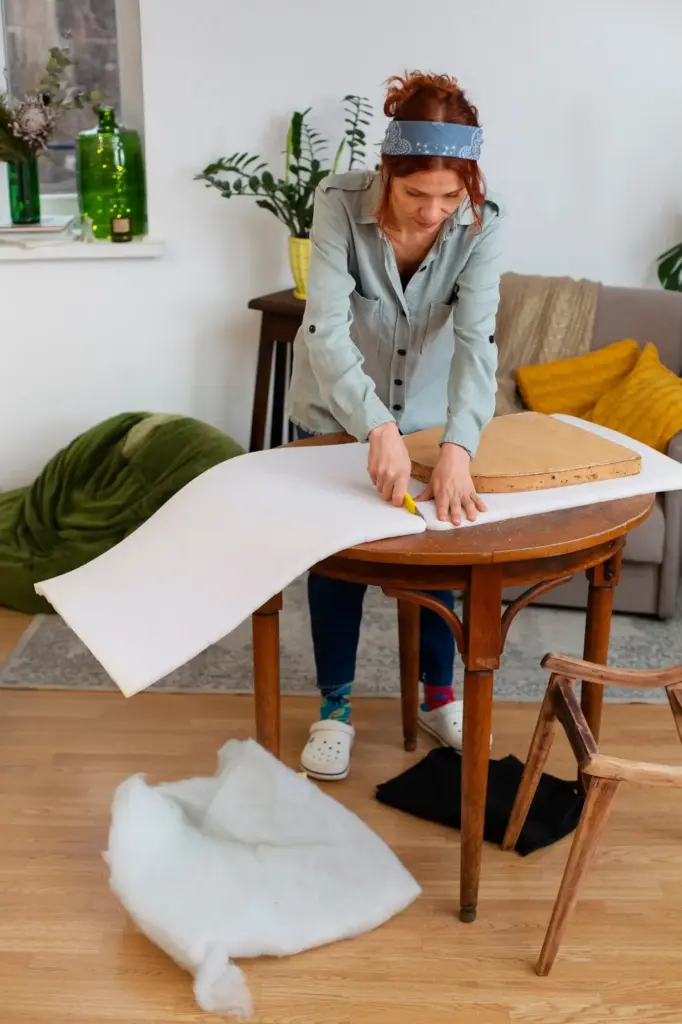
Start with What You Have
Repair as a Creative Ritual

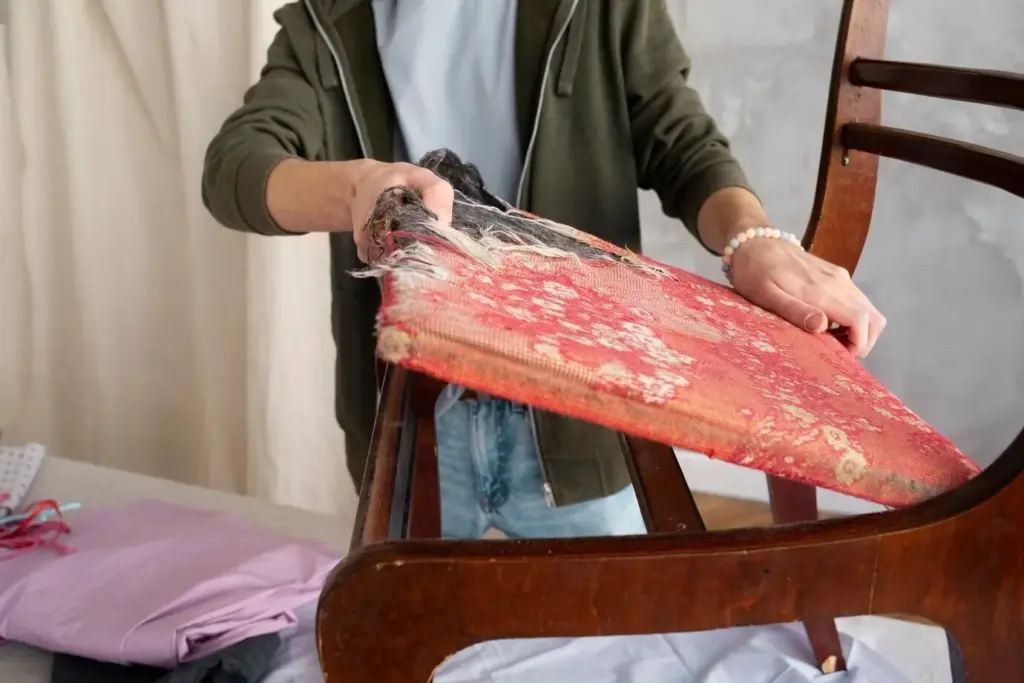
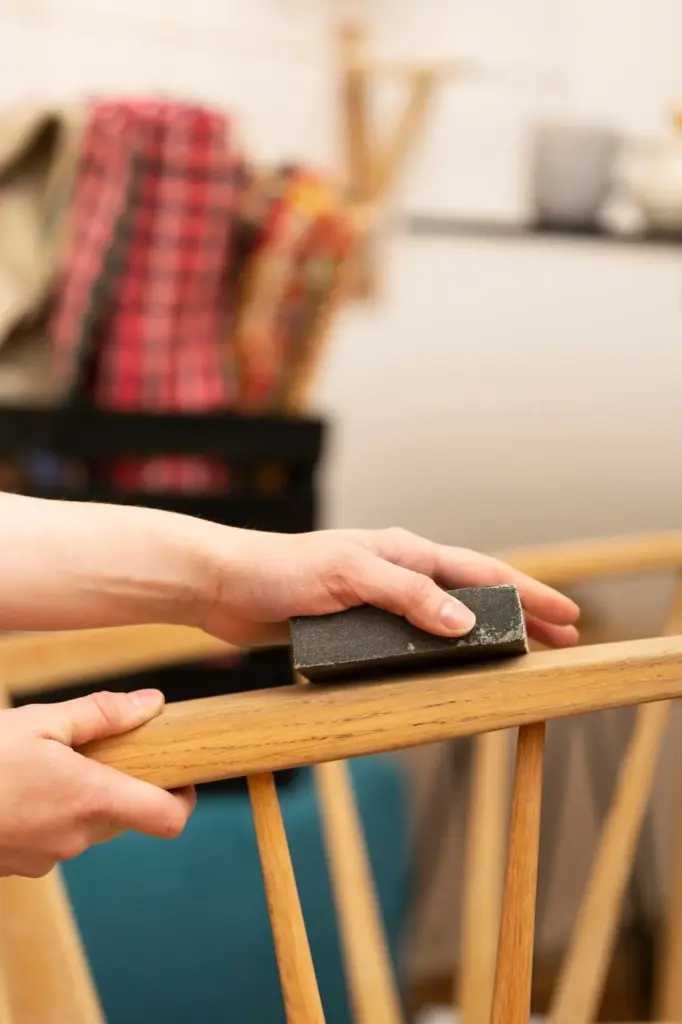
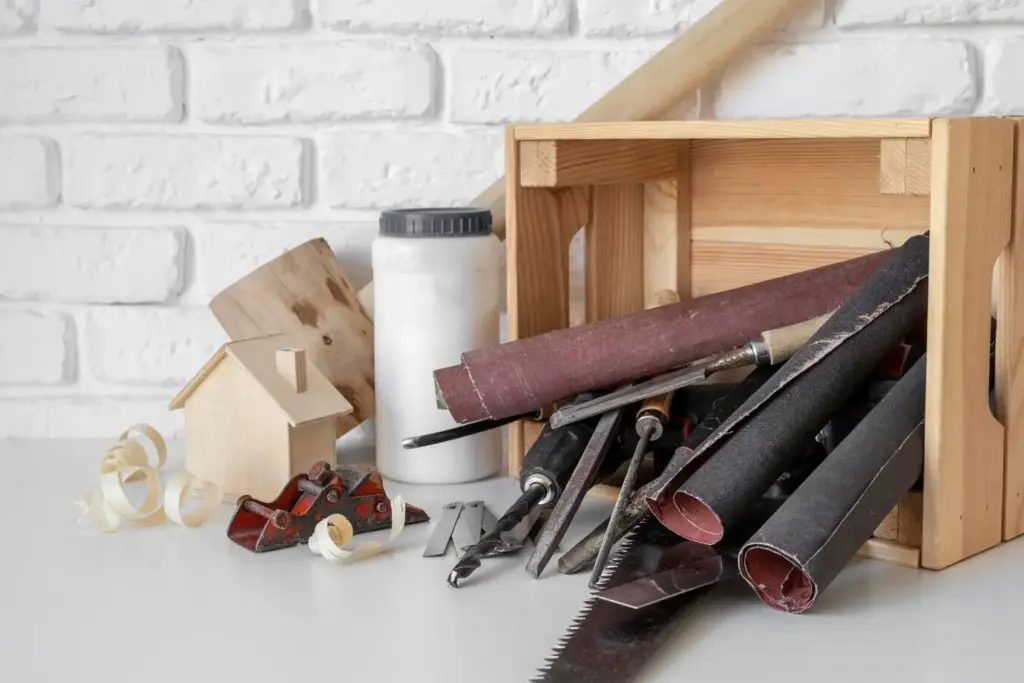
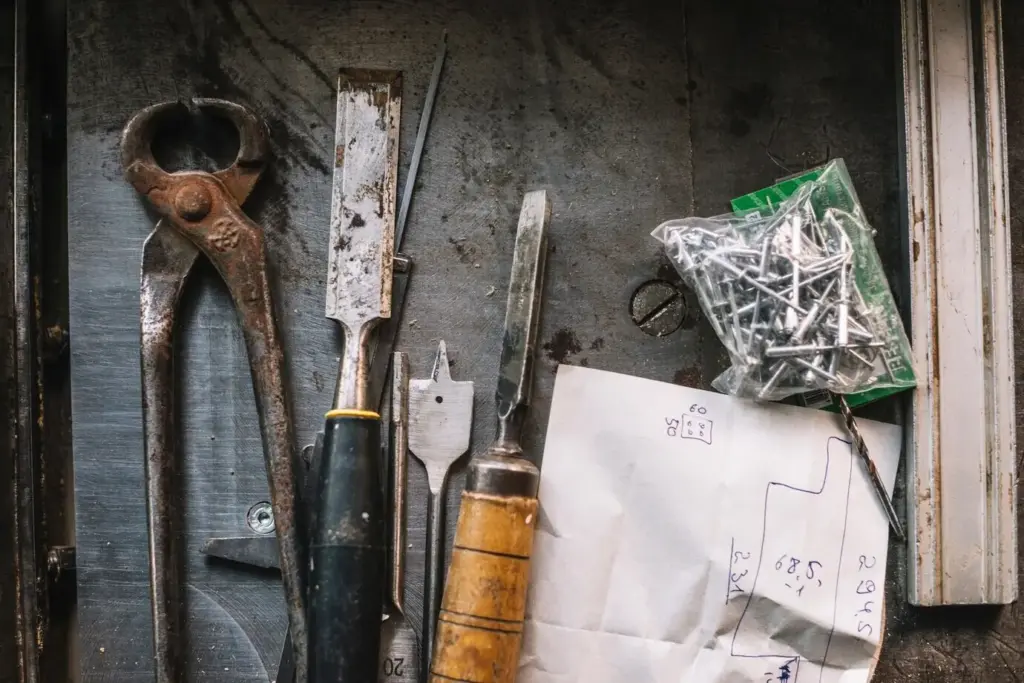
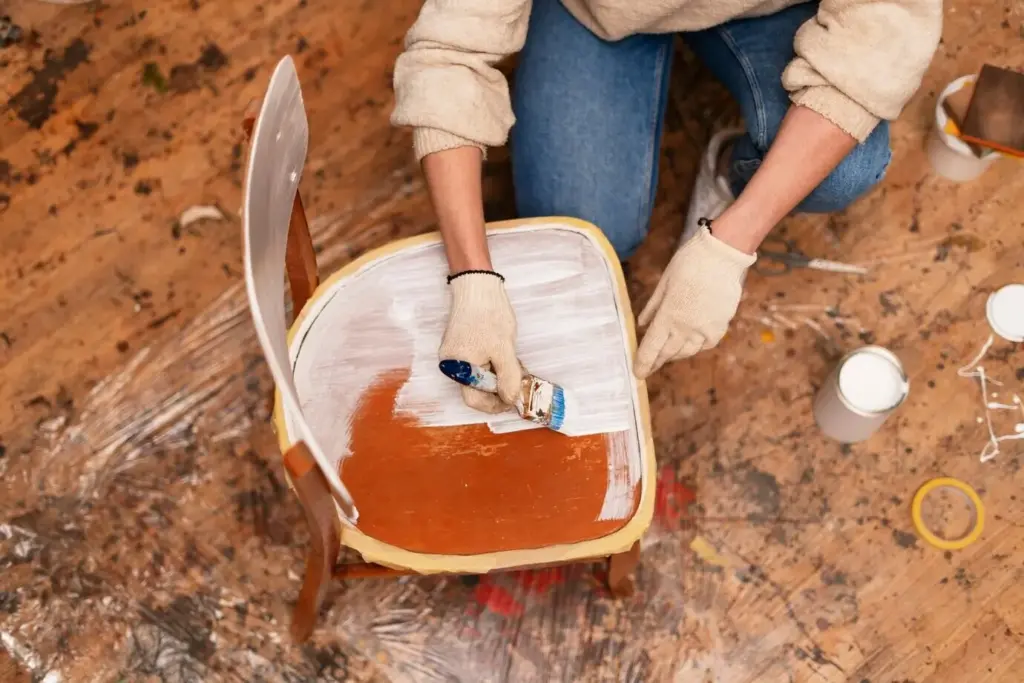
Wood: Grain Revival, Minimal Toxics
Strip gently with a biodegradable remover or card scraper, then sand only enough to open the grain. Raise fibers with water before the final pass. Finish with hardwax oil or shellac for spot‑repair ease. Document color formulas and sheen so matching later remains painless and precise.
Metal: Rust Managed, Luster Kept
Use citric acid baths or mechanical abrasion to remove rust without erasing tool marks. Neutralize thoroughly, then seal with microcrystalline wax, lacquer, or a durable paint system. Replace missing hardware with standard sizes, noting thread counts, to simplify future swaps and maintain circular flexibility.
Textiles: Clean, Mend, Protect
Vacuum with gentle brush tools, treat stains by fiber type, and wash removable covers using mild detergents. Patch tears with matching weave orientation, reinforce high‑stress seams, and rotate cushions to even wear. Add slipcovers or throws to defer washing cycles and make periodic refreshes delightfully simple.

Furniture Hybrids that Solve Problems

Architectural Salvage as Everyday Utility
Sourcing with Integrity
01
Buying Secondhand Strategically
Measure first, carry reference photos of your rooms, and bring a tape, flashlight, and small square. Inspect joinery, veneer edges, and odors that signal mold or smoke. Negotiate kindly, factor repair materials into price, and arrange responsible delivery to avoid rushed, wasteful choices at the last moment.
02
Material Health and Certifications
Look for low‑emission labels like GREENGUARD Gold, water‑based finishes, and solid wood instead of mystery composites. Ask about formaldehyde content, plasticizers, and fire retardants. Healthier materials age better, smell better, and invite touch—qualities that keep objects loved, maintained, and circulating within your home for many years.
03
Designing to Standard Dimensions
When you choose mattresses, cabinet modules, or handles in common sizes, replacements and upgrades remain easy. Standardization supports circularity by enabling swaps, repairs, and improved parts without scrapping entire assemblies. Keep a dimension log so future purchases align gracefully with what you already own.
Design for Disassembly and Future Change
All Rights Reserved.